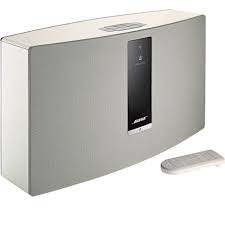
Bose’s recent decision to open source its SoundTouch speaker software demonstrates how tech companies can turn product end-of-life decisions into an opportunity to brand and community.
Bose announced in late 2025 that its SoundTouch speakers, originally launched in 2013, would no longer have cloud support in February 2025. Customers who had paid $600 or more for these premium speakers faced a dilemma: their “smart” devices would essentially become “dumb” ones, losing the features that originally made them worth the price tag. Bose’s customer base tends toward high-end consumers, and they were unhappy.
Then Bose released the API documentation for the speakers to the public and extended support until May 2025, giving independent developers time to create compatible services.
This approach shows the power of COSS releases for end-of-life products. When companies discontinue support for connected devices, they create electronic waste and erode consumer trust. Customers remember being burned by expensive purchases that became paperweights, and high-end customers are particularly upset by planned obsolescence. By open sourcing the software, companies can salvage goodwill from their existing customer base.
Open sourcing also creates opportunities for innovation that the original manufacturer might never have imagined. Enthusiasts can add new features or integrate the hardware with entirely new ecosystems. It transforms potential e-waste into a platform for creativity.
Moreover, this approach acknowledges a fundamental truth about modern consumer electronics: we don’t just buy hardware anymore—we buy into ecosystems. When those ecosystems shut down, the hardware we purchased looks like a waste of money. For small purchases, customers may tolerate short life spans. But high-end customers are investing in a product they expect to last.
As more devices become “smart” and cloud-dependent, Bose’s decision demonstrates a blueprint for responsible product lifecycle management. Rather than forcing customers into upgrade cycles through software deprecation, companies can build lasting loyalty by ensuring their products remain functional long after official support ends. In the end, turning smart speakers into community-supported devices isn’t just good ethics—it’s smart business.

Leave a Reply